
Summary Block:
- Common signs of anxiety include excessive licking, shaking or trembling, and cowering.
- Look for boarding facilities with predictable routines, supervised activities, and options for individual care.
- Gradual introductions and positive reinforcement training can help dogs feel more comfortable before boarding.
Leaving your anxious dog overnight can feel overwhelming, especially if they’ve never stayed away from home. But anxiety doesn’t automatically mean boarding is off the table.
Boarding for anxious dogs is possible with the right preparation and a facility that understands canine behavior. At Metro Dog in Richmond, CA, we’ve provided personalized care through behavior-focused programs and 24/7 on-site supervision for over 21 years.
This guide explains how to recognize boarding anxiety, choose the right facility, prepare your dog through training, and make drop-off easier for everyone.
What Is Dog Boarding for Anxious Dogs?
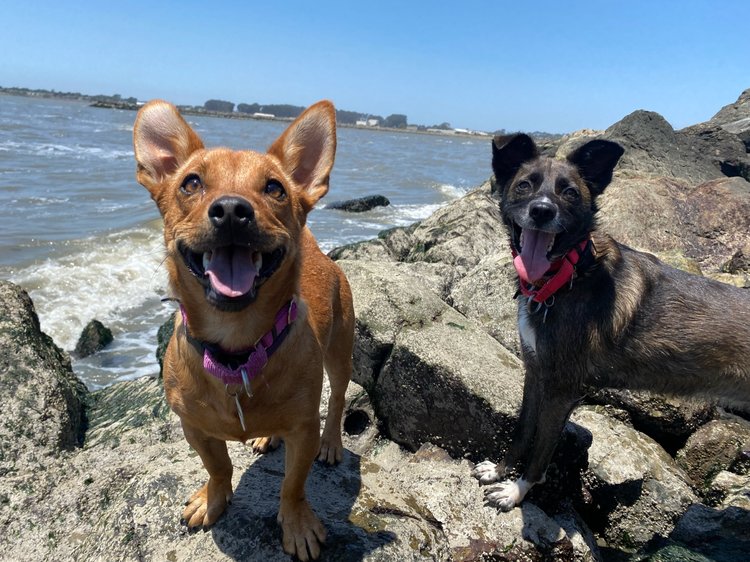
An anxious dog may feel overwhelmed by loud barking, large playgroups, or being separated from their owner. Dog boarding for anxious dogs creates a safe, structured environment for pets that struggle with unfamiliar places, people, or routines.
Unlike traditional boarding, anxiety-sensitive care prioritizes individual needs, predictable schedules, and careful introductions.
However, the goal isn’t to eliminate anxiety overnight. It’s to reduce unnecessary stress and help each dog feel more comfortable throughout their stay.
Common Signs Your Dog Has Boarding Anxiety
Dogs express anxiety in different ways. Some become restless, while others withdraw or display unusual behaviors. Watch for these signs:
- Excessive barking or whining: Vocalizing repeatedly when left alone or around unfamiliar dogs.
- Destructive behavior: Chewing, scratching, or damaging objects when distressed.
- Loss of appetite: Refusing meals or treats in unfamiliar surroundings.
- Panting or pacing: Moving constantly or breathing heavily without physical exertion.
- Hiding or cowering: Avoiding interactions or seeking secluded spaces.
- Aggressive reactions: Growling, snapping, or lunging when frightened.
- House-training accidents: Urinating or defecating indoors despite being house-trained.
These behaviors don’t always indicate anxiety, so consider the situation and consult your veterinarian if symptoms persist.
Separation Anxiety vs. General Boarding Stress: What’s the Difference?
Separation anxiety involves significant distress when a dog is separated from their owner or attachment figure. In comparison, general boarding stress usually comes from adjusting to unfamiliar surroundings.
Dogs with mild adjustment stress may settle as they get used to a new routine. However, dogs with severe separation anxiety often need veterinary guidance and a gradual behavior modification plan before boarding.

Why the Right Boarding Environment Matters for Anxious Dogs
An unfamiliar environment can overwhelm an anxious dog, especially without the right support. Choosing a facility that understands canine behavior helps reduce stress and creates opportunities for positive experiences.
When choosing a boarding facility, look for these important features:
- Consistent routines: Predictable feeding, exercise, and rest schedules help dogs adjust to unfamiliar surroundings.
- Individual attention: Staff should recognize signs of stress and respond to each dog’s needs rather than taking a one-size-fits-all approach.
- Small-group or solo activities: Some dogs enjoy socializing, while others need quieter activities away from large groups.
- Familiar comforts: When permitted, bringing a favorite blanket or toy gives your dog something familiar in a new setting.
- Behavioral assessments: Evaluating a dog’s temperament before boarding helps staff determine appropriate activities, accommodations, and supervision.
A quality boarding facility should also explain how staff handle dogs that stop eating, become overwhelmed, or struggle to settle in.
How Anxious Dog Training Supports Boarding Success
Anxious dog training helps dogs build confidence and develop healthier responses to unfamiliar situations. With gradual exposure and positive reinforcement, dogs can become more comfortable around new people, environments, and routines.
At Metro Dog, our Richmond dog training program focuses on positive reinforcement and behavior-based care tailored to each dog’s needs.
While training isn’t a cure for severe anxiety, it can make boarding preparation easier and less stressful. Here are some ways you can help your pup prepare for their next stay:
Desensitization and Counter-Conditioning Before a Stay
Desensitization involves gradually introducing your dog to situations that trigger anxiety. For example, start by leaving your dog alone for a few seconds, then slowly increase the time as they get comfortable. Keep each session short enough to avoid distress.
Counter-conditioning helps dogs associate unfamiliar experiences with positive rewards. Offer a favorite treat when your dog calmly approaches a travel crate or encounters a new environment. Over time, these positive experiences can build confidence.
Trial Visits: Why a Daycare Day Before Boarding Helps
A trial daycare visit lets your dog explore the facility, meet staff, and get used to a new routine before an overnight stay. Our dog daycare offers supervised activities and behavior-based programs that support different temperaments.
If your dog has severe separation anxiety, talk to your veterinarian before scheduling a trial visit. Your pup may need extra support as they work through their fear.
What to Tell the Facility About Your Dog’s Anxiety
Open communication helps boarding staff understand your pup’s needs before their stay. Share these important details during intake:
- Anxiety triggers: Loud noises, unfamiliar people, other dogs, or separation
- Calming tools: Favorite toys, familiar blankets, or comforting routines
- Feeding habits: Normal meal times, food preferences, and appetite changes during stressful situations
- Medications: Any veterinarian-prescribed treatments and administration instructions
- Emergency contacts: Your phone number, backup contact, and veterinarian’s information
The more staff know about your pooch’s behavior, the better they can prepare an appropriate care plan.
What to Look for in a Boarding Facility for Anxious Dogs
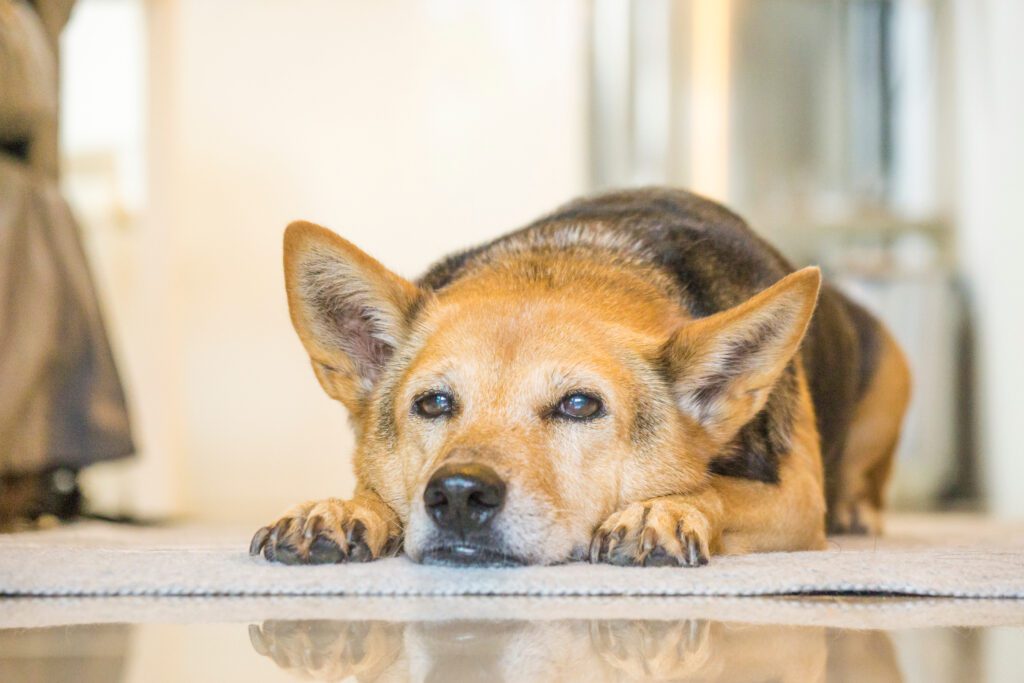
If you’re looking for dog boarding for anxious dogs near you, look beyond location and pricing. The right facility should understand your dog’s behavior and offer care that matches their comfort level.
Here are some things to keep an eye out for:
| Green Flags to Look For | Red Flags to Avoid |
|---|---|
| Quiet, comfortable areas where dogs can rest without constant stimulation | No quiet, individual spaces for dogs that need time away from others |
| Intake evaluations that consider temperament, triggers, and social preferences | No temperament assessment before boarding |
| Caregivers who recognize anxiety signals and use low-stress handling techniques | Staff who cannot explain how they handle anxious dogs |
| Small-group or individual play options based on each dog’s needs | Large group play without individual alternatives |
| Clear communication about your dog’s behavior, appetite, and adjustment | No clear plan for dogs that stop eating or show significant distress |
| Staff who can follow veterinarian-prescribed care instructions when needed | No clear medication administration procedures or ability to accommodate prescribed care |
For Richmond-area pet parents, our boarding program offers 24/7 on-site supervision, behavior-focused care, and personalized activity options. If you’re boarding your dog for the first time, understanding the daily routine and intake process can also help you prepare.
Frequently Asked Questions
Is it better to leave a dog at home or board?
For mildly anxious dogs, a boarding facility with trained staff and structured routines can be better than extended periods alone. Dogs with severe separation anxiety may feel more comfortable with an in-home pet sitter. Consult your veterinarian to choose the option that best supports your dog’s needs.
How do you board an aggressive dog?
Aggression and anxiety are different behaviors, although they sometimes overlap. Dogs with a history of aggression need specialized care, individual accommodations, and careful handling rather than group play. Always disclose your dog’s behavior history and consult a veterinary behaviorist before choosing a boarding facility.
Can an anxious dog go to daycare instead of boarding?
Yes. Short daycare visits give anxious pups time to become familiar with staff, activities, and routines. Start with a trial visit to see how your dog responds before scheduling overnight boarding.
Help Your Anxious Dog Feel More Comfortable at Metro Dog
Your pup deserves individualized care tailored to their needs. At Metro Dog, we combine personalized programs, behavior-focused care, and 24/7 supervision to support dogs throughout their stay.
Contact our team today to discuss your dog’s anxiety and our boarding assessment process.